
Eating well feels harder than it used to be. Most grocery store shelves are full of colorful boxes and bags. These items often contain ingredients you cannot find in a home kitchen. We call these ultra-processed foods (UPFs). They are designed to taste good and last a long time. However, they often lack the nutrients your body needs to stay strong.
Many people feel tired or bloated after eating these factory-made goods. This happens because the body struggles to break down lab-made chemicals. Switching to a minimal processed food list is a great way to boost your energy. This guide shows you how to spot hidden processed items. It also provides easy swaps to help you feel your best every single day.
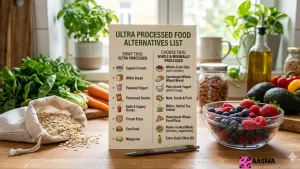
How to Identify Ultra Processed Foods
Most people know that soda and candy are processed. Other foods are harder to judge. Some items look healthy but contain many additives. Learning how to identify ultra processed foods is the first step to a better diet. You must become a detective at the grocery store.
Start by looking at the ingredient label. A long list of names is usually a red flag. Check for items like high fructose corn syrup or soy protein isolate. These are not whole foods. Look for thickeners like xanthan gum or carrageenan. Manufacturers use these to change how food feels in your mouth. They make cheap ingredients feel creamy or thick.
Check for artificial colors and flavors. If a food can sit on a shelf for a year without spoiling, it is likely a UPF. Real food rots eventually. Truly healthy choices usually have one to five simple ingredients. If you do not recognize a word, your body might not recognize it as food either.
Common Red Flag Ingredients
- Emulsifiers: These keep oil and water from separating in baked goods.
- Bulking Agents: These add weight to food without adding nutrients.
- Flavor Enhancers: Chemicals like MSG make you want to eat more than you need.
- Artificial Sweeteners: These can disrupt your gut bacteria and cause cravings.
The Minimal Processed Food List
Moving away from factory-made food does not mean you have to be hungry. You just need to focus on items close to their natural state. These foods provide fiber, vitamins, and minerals. Here is a minimal processed food list to keep in your pantry and fridge:
- Fresh or Frozen Produce: Plain fruits and vegetables are perfect. Frozen options are great if they have no added sauces or sugars.
- Whole Grains: Look for oats, brown rice, quinoa, farro, and barley. These grains still have their outer shell.
- Legumes: Dry or canned beans, lentils, and chickpeas are excellent protein sources. Choose containers that contain only water and salt.
- Nuts and Seeds: Choose raw or dry roasted options. Avoid options that have added a layer of seed oil or sugar.
- Fresh Proteins: Eggs, plain poultry, grass-fed beef and wild fish are the best options.
- Healthy Fats: Extra virgin olive oil, cold-pressed coconut oil and avocado are great for cooking.
- Herbs and Spices: Use dried or fresh herbs to add flavor instead of using salty spice packets.
Healthy Food Swaps for Ultra Processed Foods
Changing your habits works best when you make simple trades. You do not need to give up your favorite flavors. You just need better versions of them. Making these changes reduces your intake of hidden salt and sugar. Try these healthy food swaps for ultra processed foods this week:
Better Breakfast Choices
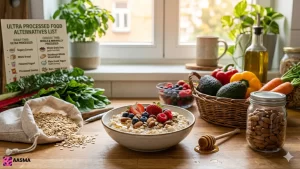
Sugary cereal is a common UPF. Most brands use refined flour and lots of sugar. They often add synthetic vitamins because the natural ones were lost in processing. Swap your cereal bowl for steel-cut oats or buckwheat. Top them with fresh berries and a dash of cinnamon.
If you like yogurt, avoid the fruit-on-the-bottom types. Those containers often have as much sugar as a candy bar. Buy plain Greek yogurt. It has more protein and no added sugar. You can add your own sliced fruit or a small drizzle of raw honey instead.
Bread and Grains
White bread is highly processed. It lacks fiber and spikes your blood sugar quickly. This leads to an energy crash an hour later. Switch to sprouted grain bread or slow-fermented sourdough. Real sourdough only needs flour, water, and salt.
For dinner, stop using flavored boxed rice mixes. These are often high in sodium and preservatives. Use plain brown rice or quinoa. Season them yourself with fresh garlic, onions, and black pepper. It takes five extra minutes but tastes much better.
Savory Snacks and Sides
Potato chips are fried in poor-quality oils and coated in chemical salt. They offer very little nutrition and lead to overeating. Swap chips for air-popped popcorn. You can spray it with a little olive oil and sea salt.
Another great choice is sliced cucumbers with a side of homemade hummus. Most store-bought hummus uses canola oil. If you make it at home with olive oil, it is much healthier. Roasted seaweed or kale chips are also great for a salty fix.
Sweet Treats and Desserts
Cookies and cakes available in the market are high in trans fat and high-fructose corn syrup. They are designed to be addictive. Instead, try frozen grapes or a few squares of dark chocolate. Dark chocolate with 70% cocoa or more has less sugar and more antioxidants.
If you enjoy baking, you can still have treats. Use mashed bananas or applesauce instead of vegetable oil. Use maple syrup instead of white sugar. These small changes make your desserts part of a whole-food lifestyle.
Whole Food Plant Based Snacks
Snacking is often where diets fail. It is easy to grab a processed bar when you are busy. Most “protein bars” are just candy bars with added powder. Preparing whole food plant based snacks keeps you on track. These snacks are portable and filling.
Quick Snack Ideas
- Nut Butter and Fruit: Put almond butter on apple slices or celery sticks.
- Raw Nuts: Keep a small jar of walnuts or pecans in your bag. They contain healthy fats that prevent you from feeling hungry.
- Chia Pudding: Soak chia seeds in unsweetened nut milk overnight. Serve with berries in the morning.
- Edamame: Steam some soy beans and sprinkle with sea salt. They are fun to eat and high in protein.
- Handmade Trail Mix: Mix pumpkin seeds, sunflower seeds and raisins. Avoid the store versions with chocolate pieces.
Hard-boiled eggs are another quick protein boost if you are not strictly plant-based. You can also make a batch of roasted chickpeas. Toss them in the oven with smoked paprika and salt until they are crunchy. They satisfy the urge to munch while providing essential fiber.
If you want something refreshing, try a homemade smoothie. Avoid “green juices” from the store that are mostly apple juice. Use spinach, a frozen banana, flax seeds, and unsweetened almond milk. It tastes like a milkshake but feeds your cells with life.
Why These Changes Matter for Longevity
Your body is like a high-performance engine. It needs high-quality fuel to run well. UPFs often cause chronic inflammation. This inflammation is linked to weight gain, heart issues, and low energy levels. By choosing whole foods, you give your body the tools it needs to repair itself. You will likely sleep better and think more clearly.
Eating this way also helps your gut health. Your gut is home to trillions of bacteria. Whole foods contain fiber that feeds these good bacteria. Processed foods often lack this fiber and contain chemicals that hurt your gut lining. A healthy gut leads to a stronger immune system and better moods.
When you eat whole foods, your brain receives the “full” signal correctly. UPFs are engineered to bypass these signals. This is why it is hard to eat just one cookie but easy to stop after one apple. Whole foods help you maintain a healthy weight without counting every calorie.
Tips for Success at the Grocery Store
The layout of the store matters. Most whole foods are found on the outer edges. This is where you find the produce, fresh meat, and refrigerated items. The middle aisles house most of the UPFs in colorful boxes. Spend 80% of your time on the perimeter of the store.
Always shop with a list. This prevents impulse buys of junk food. If you do not buy the cookies, you cannot eat them at midnight. Never go shopping while you are hungry. Hungry shoppers often pick high-calorie processed foods for a quick energy fix.
Read every label before the item goes into your cart. If the first three ingredients are sugar, corn syrup, or white flour, put it back. Look for the “Whole Grain” stamp on breads and pasta. However, even with the stamp, check for additives.
Meal Prep for Busy Weeks
- Wash and Cut: Clean your vegetables as soon as you get home.
- Cook in Batches: Make a large pot of beans or brown rice on Sundays.
- Portion Snacks: Put your nuts and seeds into small reusable containers for the week.
- Freeze Leftovers: If you make a whole-food soup, freeze half for a busy night.
Understanding the Degrees of Processing
Not all processing is bad. Cooking, freezing, and drying are types of processing. However, these methods do not usually add harmful chemicals. We want to avoid the “ultra” category.
Ultra-processed foods are industrial creations. They are made in big vats using extracts of foods. They often contain dyes to make them look like real food. By choosing items from the minimal processed food list, you avoid these industrial shortcuts. You take back control of what goes into your body.
Healthy Food Swaps for Ultra Processed Foods
Using a minimal processed food list makes shopping simpler and faster. Knowing how to identify ultra processed foods gives you power over your health. These healthy food swaps for ultra processed foods will improve your daily life. Fill your kitchen with whole food plant based snacks to stay satisfied. Your body is your most valuable asset. Treat it well by feeding it real, honest food.
Final Thoughts
Switching to a whole-food diet takes time and patience. Do not try to change everything in one day. Start by replacing one UPF with a whole-food alternative. Once that feels normal, pick another one. For example, replace your afternoon soda with sparkling water and a lime wedge.
Frequently Asked Questions
Q: What exactly is a minimal processed food list?
A: This list features foods close to their natural state. It includes fresh produce, raw nuts, and dry beans without additives.
Q: How to identify ultra processed foods while shopping?
A: Check labels for long lists of chemical names. Avoid items with high fructose corn syrup or artificial colors and flavors.
Q: What are some healthy food swaps for ultra processed foods?
A: Swap sugary cereal for plain oats with fruit. Trade soda for sparkling water. Replace greasy chips with crunchy, air-popped popcorn.
Q: Are whole food plant based snacks filling?
A: Yes. These snacks contain fiber and healthy fats. Apple slices with nut butter provide steady energy without a sugar crash.
Q: Why should I stop eating hidden chemicals in processed foods?
A: Processed chemicals cause inflammation and low energy. Eating whole foods provides the vitamins you need for better sleep and health.