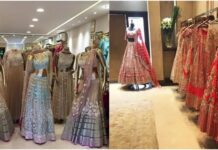
Traveling usually means spending a lot of money. Most people think of luxury shops in Paris or Milan when they hear about fashion tourism. However, you do not need a huge bank account to look great. A new trend is helping travelers find style for less. By visiting specific regions, you can refresh your wardrobe while seeing the world.
The year 2026 has seen a shift in how we perceive “luxury.” True luxury today is the ability to find unique, high-quality items that reflect global culture without the inflated price tags of designer labels. For the modern traveler, the journey is as much about the discovery of a hand-woven scarf in a mountain village as it is about seeing the Eiffel Tower.
The Rise of Fashion Tourism for Everyone
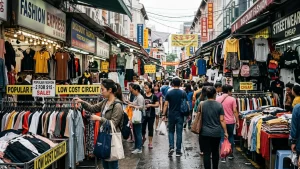
Travelers now look for more than just museums. They want to find unique clothes that tell a story. These routes are not about expensive brands. They are about finding affordable trendy fashion destinations where your money goes further. These cities offer high style at a fraction of the cost found in Western malls.
In the past, fashion tourism was reserved for the elite who could fly to private viewings. Today, fashion tourism is decentralized. It is accessible to anyone with a passport and a sense of adventure. You no longer need to save for months to afford a single designer item. Instead, you can buy an entire seasonal wardrobe while exploring a new culture. This shift is driven by a generation of “smart shoppers” who prioritize experiences and authenticity over brand names.
Top Budget-Friendly Clothing Routes
If you want to shop while you travel, you must plan your path. Some regions are famous for their textile history and low prices. These budget-friendly clothing routes often link cities with huge markets and local workshops.
Southeast Asia: The Street Style Hub
Bangkok is a leader in this circuit. Markets like Chatuchak have thousands of stalls. You can find independent designers making modern clothes for under $10. The Platinum Fashion Mall is another great spot for wholesale prices on trendy items. Vietnam is another great stop. In Hoi An, you can get custom suits or dresses made in 24 hours. The prices are much lower than any tailor in the USA.
In Indonesia, Bandung is known as the “Paris of Java.” It is famous for factory outlets that sell high-quality garments at local prices. These spots form a perfect loop for travelers looking to mix beach days with shopping sprees. Bali also offers a “boutique circuit” in Seminyak and Canggu, where you can find high-end linen wear at significantly lower prices than in Europe or Australia.
The East Asian Powerhouse: Seoul and Tokyo
While Tokyo and Seoul are often seen as expensive, they host some of the most vibrant “budget-chic” scenes in the world. In Seoul, districts like Hongdae and the Ewha Womans University Street offer cutting-edge K-fashion for students and budget travelers. The underground malls, such as Goto Mall, provide miles of clothing where items rarely exceed $15.
Tokyo’s Shimokitazawa is a haven for vintage lovers. While the upscale shops of Ginza command high prices, the curated secondhand stores in this neighborhood allow you to own a piece of Japanese fashion history for very little. Similarly, Harajuku’s side streets are filled with independent creators selling avant-garde styles that you won’t find anywhere else.
Eastern Europe and Turkey: The Bridge of Style
Istanbul is a must-visit for any fashion lover. The Grand Bazaar and local districts like Merter offer leather goods and high-quality cotton. Since Turkey produces textiles for many global brands, you get factory-quality items at local prices.
Apart from Turkey, countries like Albania and Romania are also becoming popular. Their low costs and growing boutique scenes offer a fresh alternative to Western Europe. Bucharest, for example, has a rising underground fashion scene where you can find avant-garde pieces for very little money. Tbilisi, Georgia, has also emerged as a “fashion frontier,” with local designers gaining international fame while keeping local prices accessible for the adventurous traveler.
Latin America: The New Frontier
For those in the Western Hemisphere, Latin America offers incredible value. Mexico City is a powerhouse of contemporary design. Neighborhoods like Roma and Condesa are home to local boutiques that blend traditional motifs with modern silhouettes. Medellín, Colombia, known as the “Fashion Capital of Latin America,” hosts major textile events and offers high-quality denim and swimwear at factory prices. These routes allow travelers to enjoy world-class coffee and culture while upgrading their style.
Navigating High-Traffic Fashion Tourism Spots
Some cities are very busy because they offer so much value. These high-traffic fashion tourism spots draw thousands of visitors. To make the most of your trip, you need a strategy. These locations can be overwhelming if you arrive without a plan.
- Visit in the off-season: Go in January or July. These months often have massive city-wide sales where already low prices drop by another 50%. This is when the “sale season” hits Europe and Asia simultaneously.
- Go where the locals shop: Avoid the main tourist squares. Walk a few blocks away to find “export surplus” stores. These shops sell items intended for international brands that had minor production errors or were simply overproduced.
- Learn to bargain: In places like Delhi or Bangkok, the first price is never the final price. Be polite but firm to get the best deal. Start at half the asking price and work your way up. Remember, the goal is a fair price for both you and the vendor.
- Early Morning Advantage: Markets like the Chatuchak in Bangkok or the Grand Bazaar in Istanbul are best visited right when they open. Not only is the heat more manageable, but many vendors believe the “first sale of the day” brings good luck and are more willing to give a discount.
Delhi’s Sarojini Nagar is a perfect example. It is crowded, but you can find brand-name clothes for just a few dollars. It is a gold mine for anyone who knows how to spot quality among the piles of fabric.
Discovering Low-Competition Value Fashion Events
You do not have to fight crowds at major Fashion Weeks in New York or Paris. Many smaller cities host low-competition value fashion events that are open to the public. These events often showcase emerging talent before they become famous.
In 2026, events like Bogotá Fashion Week or the Copenhagen Global Fashion Summit provide opportunities to see the future of industry trends in a more intimate setting. In places like Antwerp or Belgrade, student showcases and local design fairs offer one-of-a-kind pieces. Because these events are not as famous as those in London or New York, you can often talk directly to the makers. You might buy a piece that becomes a future classic for a very low price.
Pop-up markets in Berlin or weekend trunk shows in Mexico City are also excellent. These smaller venues lack the aggressive corporate presence of major fashion hubs. This means you find more authentic styles and better prices. Look for “Design Markets” or “Independent Fairs” on local event listings when you arrive in a new city.
The Sustainable Side of Budget Fashion
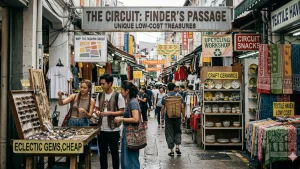
Many passengers think the low price means a lack of ethics. However, many budget fashion circuits focus on slow fashion and local handicrafts. By shopping directly from the artisans of places like Guatemala or India, you make sure your money stays in the same community.
Sustainable fashion does not mean only expensive eco-friendly brands; this means sustainability and supporting those involved in the process. In 2026, this trend has moved to “transparent tourism,” where travelers organize workshops to see the production process firsthand.
- Upcycled Goods: Markets in Bangkok often see stalls that turn old denims into new jackets. This cyclical view of the economy is becoming increasingly popular in Southeast Asia.
- Hand-Woven Fabrics: In Peru, you can buy high-quality woolen items directly from the weavers. This preserves the ancient traditions and at the same time you get high-quality natural fiber.
- Vintage Archives: Eastern Europe has an incredible selection of vintage shops. Buying used is the most sustainable way to be a fashion tourist. Places like Budapest and Tallinn have secret “kilo stores” where you pay for vintage finds by weight.
Tips for the Style-Conscious Traveler
- Pack Light: Bring an empty suitcase or foldable duffel bag. You will need a place for your new purchase. Most airlines charge for extra bags, so estimate the weight of your luggage carefully.
- Check Fabric Quality: Look for natural fibers such as cotton, linen, and silk. They last a long time and look expensive. Avoid thin polyesters that trap heat and deteriorate quickly. A linen shirt bought from a market in Hanoi can last for years, while a similar shirt in fashion can burst in three washes.
- Use Public Transit: Most fashion circuits are in walkable areas or near metro lines. Save your money for the clothes by avoiding expensive taxis and ride-shares. In Seoul, the subway is the most efficient way to hop between the major markets.
- Know Your Measurements: Sizes vary wildly between countries. A “Medium” in Thailand is much smaller than a “Medium” in the USA. Carry a small measuring tape with you to ensure perfect fitting without having to see everything being worn, as this can be difficult to do in crowded markets.
- Research Import Laws: Check how much you can bring back to your country without paying additional taxes (duty-free limit). Keep your receipts handy in case of customs inquiries.
- The “Tailor Trick”: If you like something but it doesn’t fit, ask the seller for a suggestion from a local tailor. In many inexpensive stores, you can get your clothes perfectly fitted for less than $5 an hour.
Why This Matters
Visiting these fashion circuits is more than just shopping. It provides support to local economies and artisans. You get a chance to see clothes being made and meet the people who make them. It turns shopping into a cultural experience that enriches your understanding of the world.
You leave with a wardrobe that no one else has, pieces that serve as conversation starters and memories of your travels. You also keep your savings intact, allowing you to travel longer and further. For the modern traveler, this is the smartest way to see the world. Start planning your route today and discover that style has no price tag.
Frequently Asked Questions (FAQ)
Q: What are the best affordable trendy fashion destinations for 2026?
A: Bangkok, Istanbul, and Seoul are still the top picks. Rising cities like Mexico City and Tbilisi also offer great value. They have unique styles at very low prices.
Q: How do I find budget-friendly clothing routes in a new city?
A: Search for terms like “wholesale district” or “university shopping street.” Local blogs and student forums are often the best sources. They know where the real deals are hidden.
Q: Are high-traffic fashion tourism spots safe for shopping?
A: Most markets are safe if you stay alert. Watch out for pickpockets in busy areas. Use a bag with a zipper and keep your phone in a secure place.
Q: What should I look for at low-competition value fashion events?
A: Look for unique accessories and pieces from new creators. These events are where you find future trends. Designers often sell samples at a big discount here.
Q: Is budget fashion travel sustainable?
A: It is if you choose quality over quantity. Pick natural fibers and support local makers. Shopping at vintage markets is also a great way to help the planet.
Q: Do I need to speak the local language to shop?
A: Most vendors in big cities speak some English. Knowing basic numbers helps with bargaining. Learning a few polite phrases will also make your trip much easier.
Q: What is the best time of year to visit these circuits?
A: Huge sales usually happen in January and July. If you want specific fabrics like silk, check local harvest times. This ensures you get the best selection and prices.
Q: Can I get custom-made clothes on a budget?
A: Yes, cities like Hoi An in Vietnam are famous for this. You can get high-quality custom items for half the price. Make sure you stay for at least two days for fittings.